Counselling and EMDR therapy for childhood and sexual trauma
In person in Midland + online across Australia
Meet Our Therapists
You get through most days
You might understand exactly why you respond the way you do and still freeze during sex, shut down when someone gets too close, constantly read the room or struggle to say no. We work with the ways childhood and sexual trauma is still showing up now, not just the story of what happened then.

Understanding it isn’t enough
Your partner reaches for you, or moves their hand and your body freezes. You hold your breath without even realising it. You know you’re okay, you love your partner and feel safe with them. Yet, your body behaves as if they are dangerous. You’re confused about why this is happening, and sometimes you may not recognise what is happening in that moment.
Sometimes it looks like this:
* Saying yes when you mean no, then replaying it for days or beating yourself up about it
Walking into a room and reading everyone’s mood before you’ve even put your bag down
Going somewhere else in your head during sex
Never being the one that starts sex or affection, even when you really want to
Rage or grief turning up out of nowhere (or bigger than needed), decades after you thought you’d dealt with it
Trauma comes in many forms and sits with us in different ways. What didn’t happen to us is just as important as what did happen, because trauma is what also happens inside us, that’s just as important as how we remember it.
It lives in your body, your reactions, your beliefs, and how you see the world and other people. Talking about it doesn’t always change things. Talking can help you understand why your behaviours show up in certain ways, or why you keep going back to the same type of people, but it doesn’t change how you respond.

Sexual trauma
Sexual trauma doesn’t stay in the past. It shows up in your body and your relationships, years or decades later. We won’t ask you to just talk it through again. That shame was never yours to carry. It’s time to give it back.
Read More
Childhood trauma
You learned how to survive whatever was happening in your childhood home. Those same patterns are still there now, even though you’re safe. This is where they finally get to change.
Read More
Relationships and couples
For relationships where trauma or old patterns keep getting in the way. We work with couples, and with ENM and poly relationships too, so you can hear each other again.
reClaim method
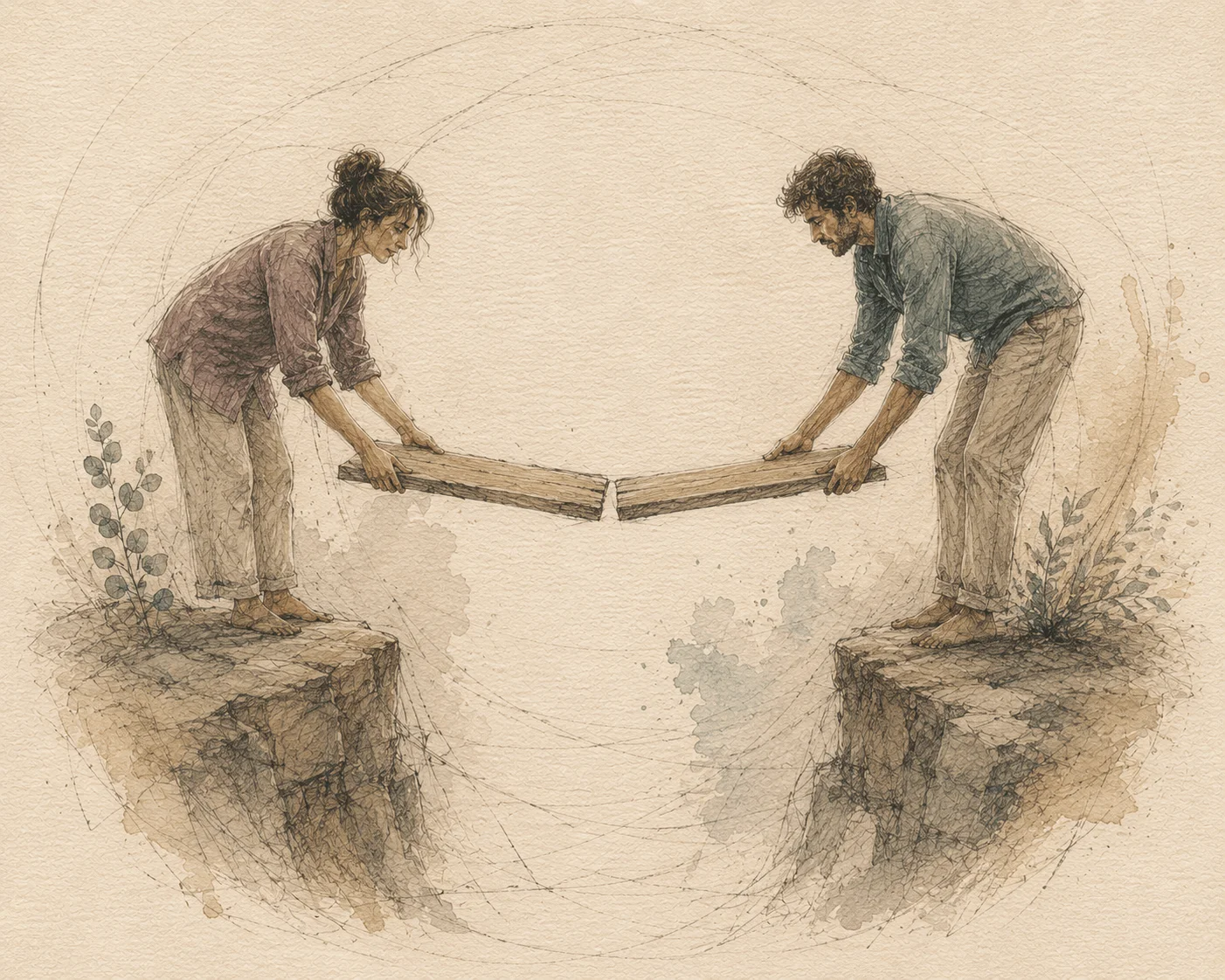
Healing doesn’t move in a straight line, whatever most therapy tells you. I built the reCLAIM Model because trauma doesn’t move that way either. Four threads you move through, and move through again, in whatever order you actually need.
Read More
Emdr
A structured way of processing memories and negative beliefs so they stop running your life the way they do now. There’s no need to talk through what happened again and again, hoping it eventually hurts less.
Read More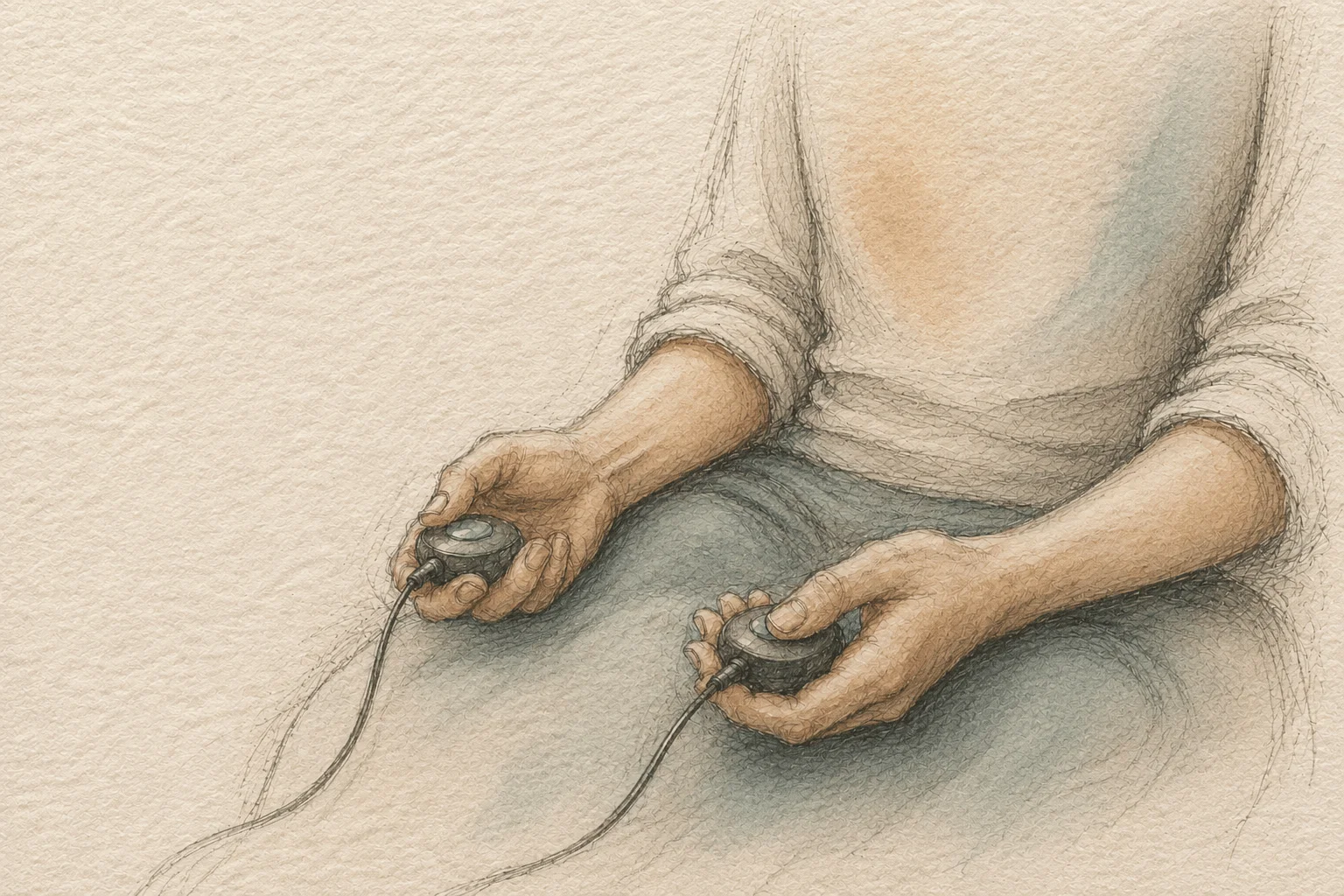
Parts work therapy
You’re not one version of yourself. There’s a part that people-pleases, a part that shuts down, a part that’s still angry about something from years ago. We work with each of them directly, instead of trying to talk you out of having them.
Read More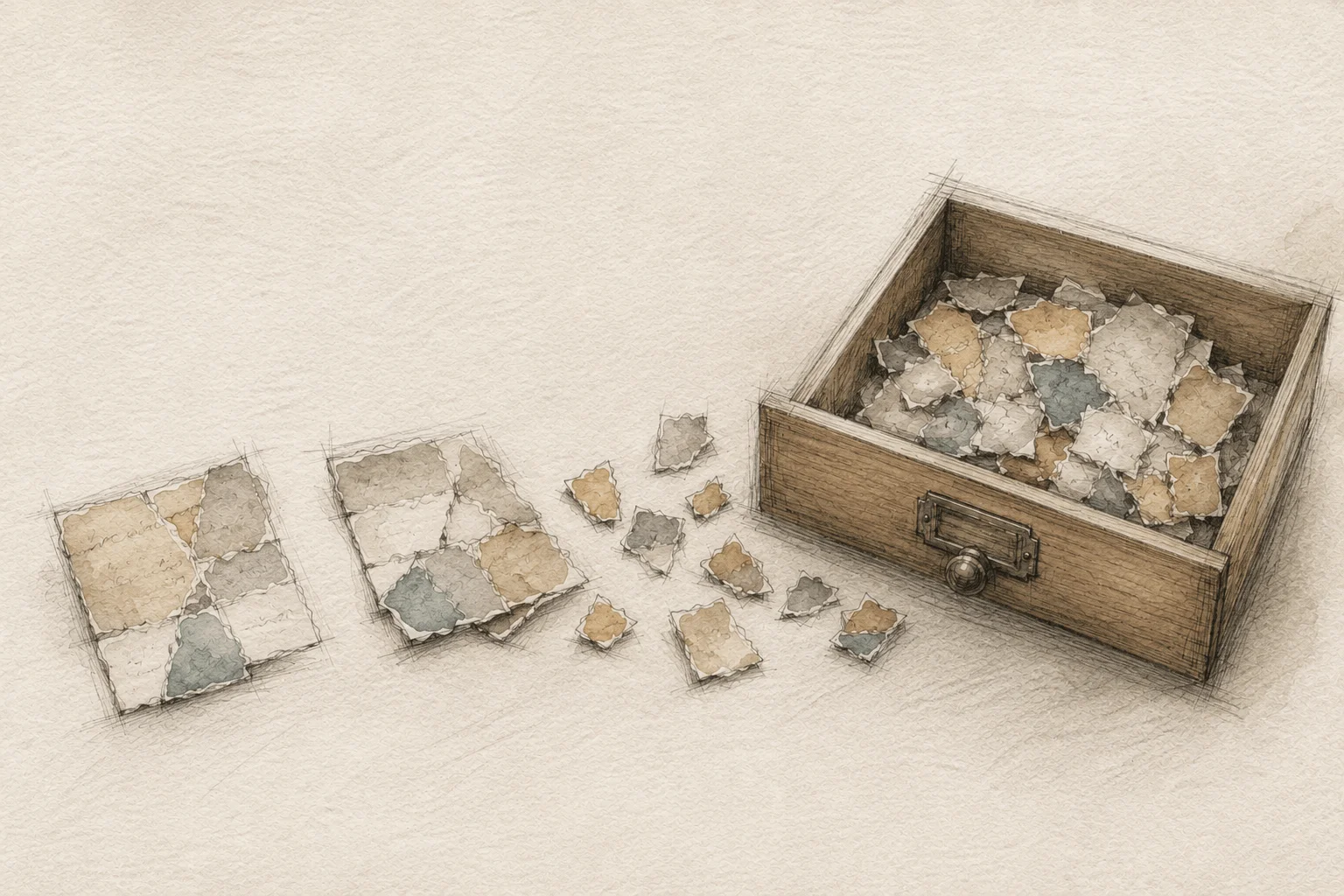
Somatic therapy
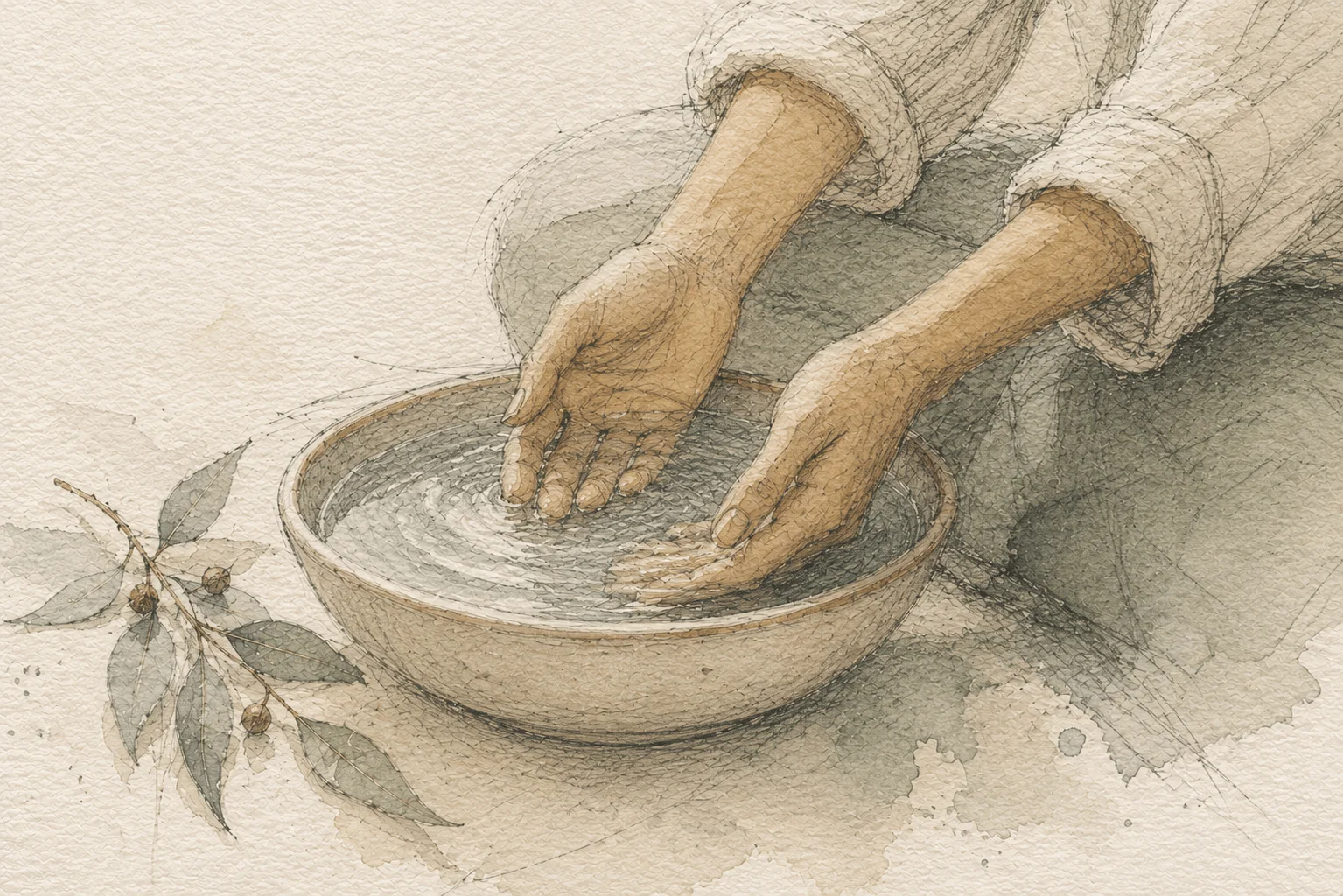
Your shoulders are tight for a reason. Your stomach drops before you know why. We start with what your body’s already telling us, as well as your thoughts – they both have a story to tell.
Sex and kink therapy
Support that holds trauma and desire in the same room, without picking one over the other. If you’re feeling shut down or disconnected in your relationships, we help you rebuild connection without shame.
Read More
Clinical supervision
Sex, kink, and complex trauma come up in session whether you feel ready for them or not. Supervision here means somewhere to actually say that, and get real help with it, not just tick a box.
EMDR Consultant in Training


Finding the words together
For survivors and supporters who want to talk about sexual assault without shutting down or panicking. This guide offers clear language and small steps to make the conversation easier to navigate.
Grab the free booklet below, eighteen pages of the kind of information we wish more people had before they needed it. You’ll also get the occasional email with trauma-informed tips and updates. Nothing overwhelming, just useful things, sent when there’s something worth saying.

My thoughts on paper
Writing on trauma, memory, sex and sexuality, relationships, somatics, and nervous system healing.
Initiating Sex – Why You Can’t Be the One Who Starts It
Many survivors of childhood sexual abuse can enjoy sex once it starts but can’t be the one to begin it. Here’s why that makes so much sense.
27/09/2026

Stop pathologising our pleasure: Where the medical model of care goes wrong with Kink & BDSM
There’s a long and messy history of the medical system of care getting it wrong when it comes to human sexuality.
31/07/2025

Not all pain is trauma: Understanding BDSM and Kink
Here’s a common myth about BDSM and Kink, and why it’s not the whole story. Learn why not all pain is trauma…
08/07/2025

Testimonials
A glimpse into what therapy has meant for the people we’ve supported. (Shared with permission)
The work you do is amazing and I am learning so much on so many levels…your an amazing practitioner and I’m so grateful to have you walking beside me on my journey of self discovery…im loving the treasures im finding in all the mess…im loving myself for the first time in 48 years and it feels fantastic  Thank you for just being you your an incredible therapist
Y P – Client